

Clinical trials for lung cancer Patients
Innovative therapies for lung cancer Patients
Patients diagnosed with lung cancer today may access advanced treatment options through participation in clinical trials. These studies offer innovative therapies that are not yet widely available in standard clinical practice. At PRATIA research centers, we are currently recruiting patients with both non-small cell lung cancer (NSCLC) and small cell lung cancer (SCLC).
Genetic testing is essential in modern oncology, as it identifies the biological drivers of the disease and enables the selection of personalized targeted treatments. It also helps patients gain access to clinical trials and innovative therapies, making cancer care increasingly precise and individualized.
In NSCLC, molecular alterations such as EGFR, ALK, ROS1, KRAS, BRAF, MET, RET, HER2, and NTRK play a key role in determining whether targeted therapies can be used. At Pratia we are also conducting clinical trials specifically for patients with ROS1-positive NSCLC, providing access to novel and next-generation targeted therapies designed to improve treatment outcomes in this rare molecular subgroup.
Overview of ROS-1 mutation
What is ROS1?
ROS1 gene rearrangement is a rare but clinically significant molecular alteration found in a subset of patients with non-small cell lung cancer (NSCLC), most commonly in adenocarcinoma.
ROS1-targeted therapies
Patients with ROS1-positive lung cancer may benefit from tyrosine kinase inhibitors (TKIs), which block cancer cell growth signaling pathways, can lead to rapid clinical response, are often better tolerated than standard chemotherapy.
Why is ROS1 testing important?
The presence of a ROS1 rearrangement may open access to targeted therapies that act directly on the driver of cancer growth.
Clinical trials and ROS1
Within clinical trials, ROS1-positive patients may gain access to: next-generation ROS1 inhibitors, novel targeted agents, treatment strategies after resistance to standard TKIs.


Participation in a clinical trial may offer:
- ✅ access to novel anti-cancer therapies,
- ✅ treatment based on the latest scientific advances,
- ✅ close monitoring by a specialized medical team,
- ✅ additional diagnostic and molecular testing,
- ✅ a contribution to the development of future cancer treatments.
All clinical trials are conducted in accordance with the highest standards of safety, ethics, and medical oversight.
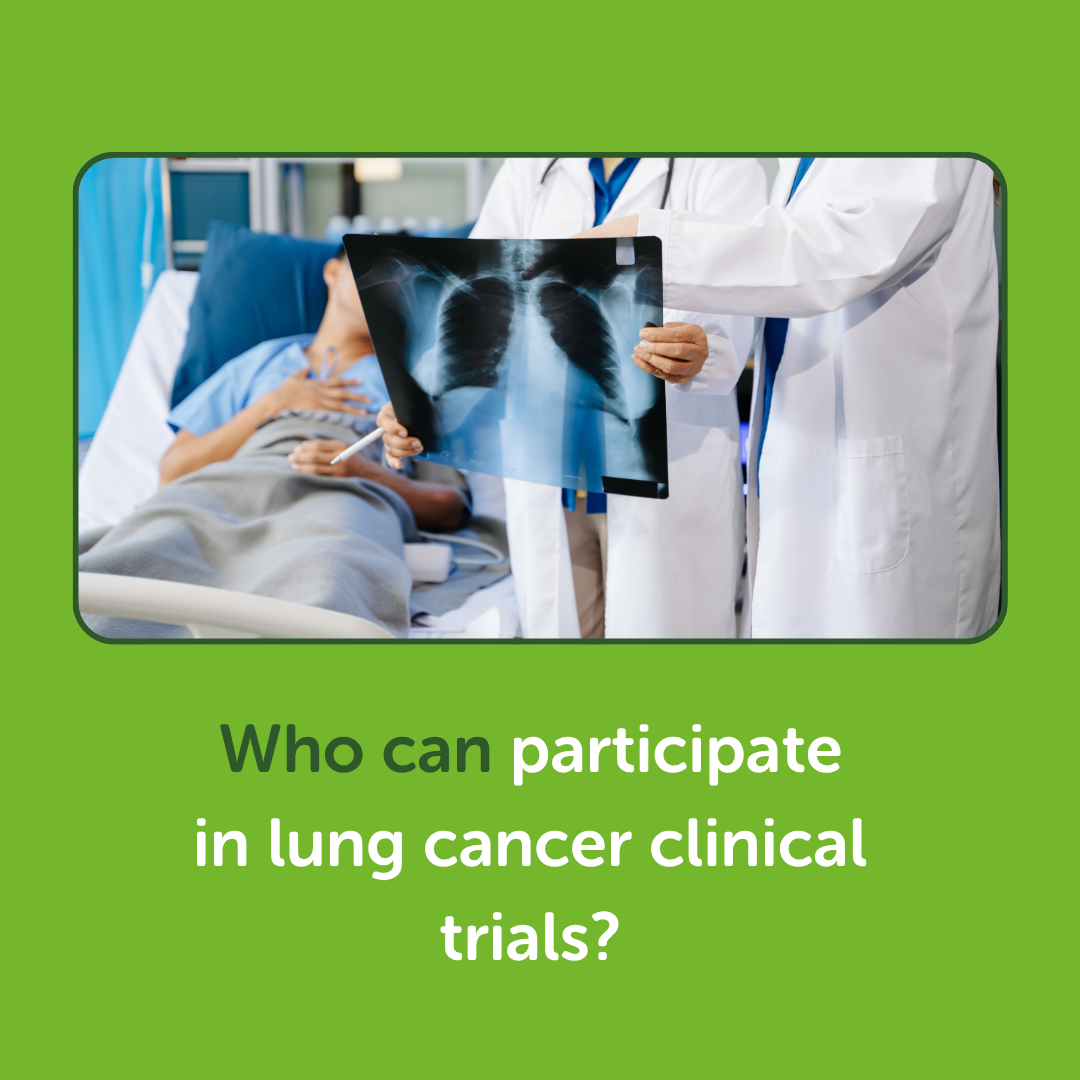
Patients who may be eligible include those:
- ✅ newly diagnosed with lung cancer,
- ✅ with advanced or metastatic disease,
- ✅ who have not responded to standard treatments,
- ✅ with specific molecular alterations in the tumor.
Eligibility is always determined individually, based on medical evaluation and diagnostic test results.

Dr. Santiago Viteri, oncologist
Pratia Sirius CEO
“Clinical trials are today one of the most important pillars of modern treatment for non-small cell lung cancer (NSCLC). Through them, we are able to offer patients access to therapies that often go beyond standard treatment protocols and are designed to precisely target specific biological mechanisms of the tumor. In my daily practice, the progress in personalized medicine is particularly evident. Genetic and molecular testing plays an increasingly important role, allowing us to better understand what drives the disease in each individual patient. The analysis of mutations and gene rearrangements such as EGFR, ALK, and ROS1 has become a standard in qualifying patients for modern targeted therapies.
The ROS1 rearrangement is especially significant. Although it occurs rarely, it opens the possibility of using highly effective molecularly targeted treatments. In patients with ROS1-positive NSCLC, we often observe rapid and pronounced responses to tyrosine kinase inhibitors, which can significantly improve prognosis and quality of life. Clinical trials are today one of the most important pillars of modern treatment for non-small cell lung cancer (NSCLC). Through them, we are able to offer patients access to therapies that often go beyond standard treatment protocols and are designed to precisely target specific biological mechanisms of the tumor. In my daily practice, the progress in personalized medicine is particularly evident. Genetic and molecular testing plays an increasingly important role, allowing us to better understand what drives the disease in each individual patient. The analysis of mutations and gene rearrangements such as EGFR, ALK, and ROS1 has become a standard in qualifying patients for modern targeted therapies.»
Where do we conduct lung cancer clinical trials?

Pratia Sirus Barcelona
address
phone
Pratia Sirius Lleida
address
phone
How to check eligibity for a clinical trial?